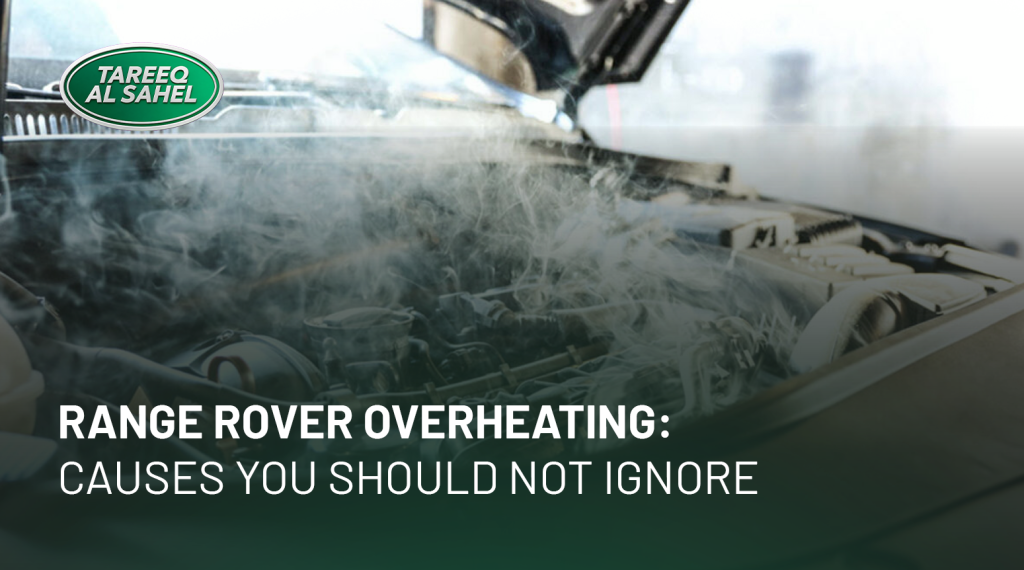
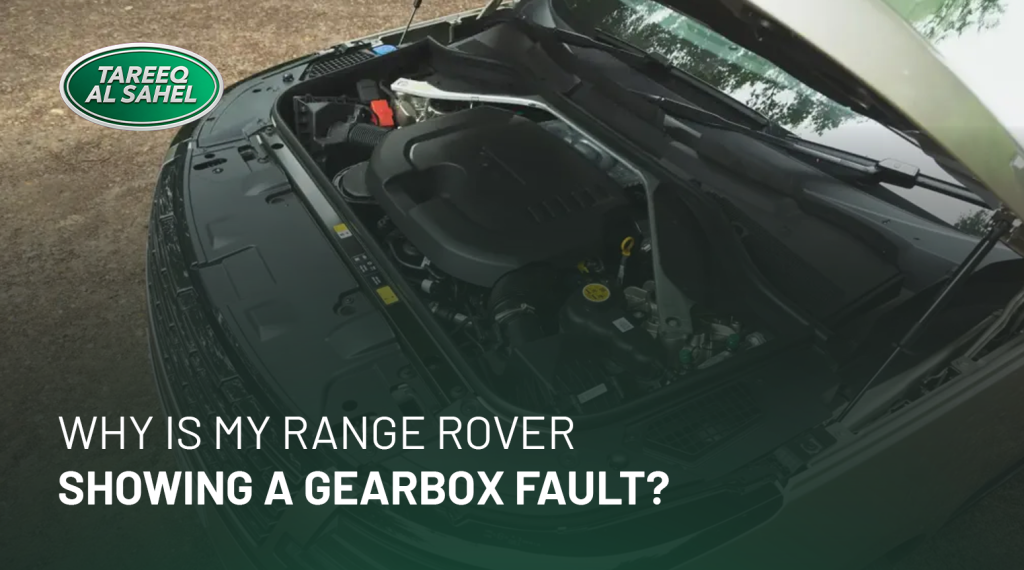
Range Rover overheating can quickly develop from a cooling-system fault into expensive engine damage. A coolant leak, faulty thermostat, weak water pump, cooling-fan problem or restricted cooling system may prevent the engine from controlling its temperature.
If the temperature warning appears, steam becomes visible or the engine begins losing power, continuing to drive may damage cylinder heads, head gaskets, turbochargers and internal engine components.
The safest response is to stop the vehicle and have the cause diagnosed—not simply refill the coolant and continue driving.
Warning Signs of Range Rover Overheating
Common symptoms include:
- Red engine-temperature warning
- Temperature gauge rising above normal
- Low coolant warning
- Steam from the engine compartment
- Sweet coolant smell
- Coolant underneath the vehicle
- Cooling fan running continuously
- Heater suddenly blowing cold air
- Reduced engine performance
- Check-engine light
- Coolant level repeatedly dropping
- Engine running roughly after overheating
A small leak may evaporate on hot engine components and leave only dried coolant residue. The absence of a visible puddle does not prove that the system is leak-free.
What Should You Do When a Range Rover Overheats?
If the temperature warning appears:
- Reduce engine load and stop in a safe location.
- Switch off the engine.
- Do not continue driving with a red temperature warning.
- Do not open the coolant reservoir while the system is hot or pressurized.
- Allow the vehicle to cool completely.
- Arrange professional inspection or recovery when necessary.
Opening a hot cooling system can release pressurized coolant and cause serious burns.
Adding coolant without repairing the leak may provide only temporary relief. The system can lose coolant again and overheat without warning.
Common Causes of Range Rover Overheating
1. Coolant Leak
A coolant leak is one of the most common reasons for overheating.
Possible leak locations include:
- Coolant hoses and connections
- Expansion tank
- Radiator
- Thermostat housing
- Water pump
- Heater circuit
- Turbocharger cooling lines
- Cylinder-head plugs
- Seals and gaskets
Some leaks occur only when the system becomes hot and pressurized. Pressure testing may be required to locate them.
2. Thermostat Housing Leak
The thermostat housing can leak at its seams, seals or hose connections. JLR has documented thermostat-housing coolant leaks on certain Range Rover and Range Rover Sport engines.
Possible symptoms include:
- Coolant residue near the housing
- Coolant smell
- Low coolant warning
- Gradual coolant loss
- Overheating under load
- Cooling-system fault codes
A severe overheat can also damage the thermostat, so the complete system should be inspected.
3. Thermostat Stuck Closed
The thermostat regulates coolant flow between the engine and radiator. If it remains closed or does not open correctly, coolant cannot circulate through the radiator efficiently.
Possible signs include:
- Temperature rising quickly
- Upper and lower radiator hoses showing unusual temperature differences
- Overheating during normal driving
- Poor heater performance
- Cooling-system performance codes
Testing should confirm the fault before the thermostat is replaced.
4. Water-Pump Failure
The water pump circulates coolant through the engine and radiator. A pump may leak, develop bearing wear or lose its ability to circulate coolant effectively.
Possible symptoms include:
- Coolant leaking near the pump
- Bearing noise
- Overheating at different speeds
- Coolant residue around the engine
- Repeated low coolant warning
- Insufficient coolant circulation
JLR has issued model-specific technical information concerning water-pump leaks on certain Range Rover engines.
5. Cooling-Fan Problem
The electric cooling fan helps control temperature when the vehicle is stationary, moving slowly or operating in high ambient temperatures.
A fan fault may be caused by:
- Failed fan motor
- Wiring or connector damage
- Fuse or relay problem
- Temperature-sensor fault
- Control-module problem
- Software or communication fault
Overheating mainly in traffic—but not at highway speed—may point toward an airflow or fan-related problem.
6. Restricted Radiator or Cooling System
Internal contamination, incorrect coolant, corrosion or external debris may restrict heat transfer.
A restricted radiator can cause:
- Overheating under load
- Temperature rising during hot weather
- Poor cooling despite normal fan operation
- Uneven radiator temperature
- Repeated overheating after other parts have been replaced
The radiator and cooling-system flow should be assessed before replacement.
7. Air Trapped in the Cooling System
Air pockets may prevent proper coolant circulation or cause misleading temperature readings.
Air may enter after:
- Coolant leakage
- Incorrect filling
- Previous cooling-system repair
- Hose replacement
- Thermostat replacement
- Water-pump replacement
The system must be filled and bled using the procedure appropriate for the specific engine.
8. Faulty Coolant-Temperature Sensor
A sensor or wiring fault can report an incorrect engine temperature to the control module.
This may affect:
- Cooling-fan operation
- Fuel management
- Dashboard temperature display
- Warning messages
- Engine performance
The sensor reading should be compared with the engine’s actual temperature before replacing components.
9. Expansion-Tank Cap or Pressure Fault
The cooling system is designed to operate under controlled pressure. A faulty cap may release pressure too early or fail to control it correctly.
This can contribute to coolant loss, boiling or recurring low-coolant warnings.
10. Head-Gasket or Internal Engine Problem
Overheating may be caused by—or result in—an internal engine problem.
Possible warning signs include:
- Persistent coolant loss without an obvious external leak
- Cooling system pressurizing rapidly
- Bubbles in the expansion tank
- White exhaust smoke
- Coolant contamination
- Engine misfire after startup
- Oil and coolant mixing
- Repeated overheating after external repairs
Further testing may include cooling-system pressure tests, combustion-gas testing, cylinder leakage testing or engine inspection.
Why Does My Range Rover Lose Coolant Without a Visible Leak?
Coolant may escape only when the system is hot and pressurized. It may evaporate on hot components before reaching the ground.
Other possibilities include:
- Small thermostat-housing leak
- Water-pump leak
- Expansion-tank seam
- Hose connection
- Heater-system leak
- Turbocharger cooling line
- Internal engine leak
Dried coolant residue, staining and odor can help locate an intermittent leak.
Can You Drive With a Low Coolant Warning?
A low coolant warning should be investigated promptly.
If the engine is cold and the level is below the specified mark, coolant loss may be present. Topping up does not identify why the level dropped.
Do not drive if:
- The engine is overheating
- A red temperature warning is displayed
- Steam is visible
- Coolant is leaking rapidly
- The heater suddenly becomes cold while the engine is hot
- The engine runs roughly or makes abnormal noises
How We Diagnose Range Rover Overheating
At Tareeq Al Sahel, diagnosis may include:
- Recording the warning and circumstances in which overheating occurs.
- Checking coolant level and condition when safe.
- Scanning the engine and cooling-system modules.
- Reviewing temperature data and stored fault codes.
- Pressure-testing the cooling system.
- Inspecting hoses, thermostat housing, water pump and expansion tank.
- Testing cooling-fan operation.
- Checking thermostat operation and coolant circulation.
- Inspecting the radiator for restriction or damage.
- Checking for air trapped in the system.
- Testing for internal engine leakage when required.
- Confirming stable temperature after repair.
Replacing one visible leaking component may not be sufficient if overheating has damaged another part of the system.
Possible Damage Caused by Overheating
Continued driving while overheating can damage:
- Cylinder heads
- Head gaskets
- Engine block
- Pistons and cylinder walls
- Bearings
- Turbochargers
- Catalytic converters
- Hoses and plastic cooling components
- Engine oil and lubrication system
Stopping early can make the difference between a cooling-system repair and major engine work.
Range Rover Overheating Repair in Sharjah
Tareeq Al Sahel provides cooling-system diagnostics and engine repair for:
- Range Rover
- Range Rover Sport
- Range Rover Evoque
- Range Rover Velar
- Land Rover Defender
- Land Rover Discovery
- Discovery Sport
- Applicable petrol, diesel and hybrid models
- Jaguar vehicles
If your Range Rover is losing coolant, overheating or displaying a temperature warning, arrange an inspection before driving further.
Frequently Asked Questions
Why does my Range Rover overheat in traffic?
A cooling-fan, airflow or radiator problem may become more noticeable at low speeds. The fan circuit, radiator and live temperature data should be tested.
Why does it overheat only at highway speed?
Possible causes include restricted coolant flow, low coolant, thermostat problems, water-pump faults or an internal engine issue that appears under higher load.
Can a faulty thermostat cause overheating?
Yes. A thermostat that does not open correctly can restrict coolant flow to the radiator.
Why is my coolant level dropping without a puddle?
The leak may occur only when hot, evaporate on engine components or be internal. Pressure testing and careful inspection are required.
Can I use water instead of coolant?
Use the coolant specification and mixture required for the vehicle. Water alone does not provide the same corrosion, boiling and freezing protection.
Should I open the coolant cap when the engine is hot?
No. A hot cooling system may be pressurized and can release scalding coolant. Wait until the engine has cooled completely.
Do you repair Range Rover overheating problems in Sharjah?
Yes. Tareeq Al Sahel provides Range Rover cooling-system diagnostics, coolant-leak repair and engine repair in Sharjah.
Book a Cooling-System Inspection
Contact Tareeq Al Sahel if your Range Rover is overheating, losing coolant or displaying a temperature warning.
Telephone: +971 50 777 2806
Email: sahelauto@yahoo.com
Location: Industrial Area 12, next to Geco Complex, Sharjah, UAE