
Home / Common Range Rover Battery and Electrical Problems
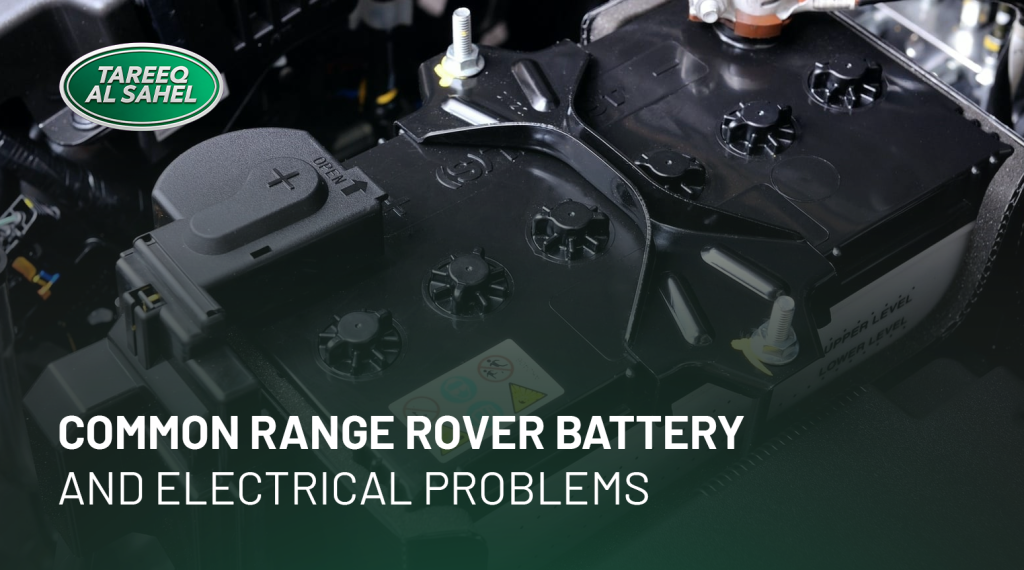
Modern Range Rovers depend on a stable electrical supply. A weak battery or charging-system fault can cause starting problems, low-battery messages and multiple warning lights across otherwise unrelated vehicle systems.
However, replacing the battery does not always resolve the problem. The vehicle may have excessive electrical drain, a charging fault, damaged wiring, a poor ground connection, incorrect battery registration or a control module that remains active when the vehicle should be asleep.
Professional testing is essential to determine whether the battery is the cause of the problem or simply the result of another electrical fault.
Battery and electrical problems may produce symptoms such as:
Multiple warnings appearing together do not necessarily mean that all the listed systems have failed. Low or unstable voltage may affect several modules simultaneously.
A battery loses capacity as it ages. High temperatures, repeated short journeys, long periods of inactivity and frequent electrical demand may accelerate deterioration.
A battery can still show reasonable voltage while lacking the capacity required to start the engine and support the vehicle’s electronic systems.
A proper battery test should assess:
Testing is more reliable than replacing the battery based only on its age or dashboard message.
Short journeys may not allow the charging system enough time to replace the energy used during starting. The problem can become more noticeable when the vehicle uses lighting, climate control, heated features and infotainment systems heavily.
A battery can also remain undercharged when the vehicle is parked for extended periods or used infrequently.
The battery should be charged using equipment and procedures appropriate for the vehicle’s battery type and powertrain.
Depending on the model, the charging system may include an alternator, intelligent battery-monitoring components, power electronics or mild-hybrid equipment.
Charging faults can result from:
The charging system should be tested under different electrical loads rather than relying on one voltage measurement.
Range Rover control modules continue performing certain functions after the vehicle is switched off. After the correct shutdown period, the systems should enter a low-power sleep state.
If a module, accessory or network remains awake, it can drain the battery while the vehicle is parked.
Possible causes include:
An electrical-drain test must allow the vehicle enough time to enter sleep mode. Opening a door, using the key or activating a system during the test may wake the vehicle and affect the result.
Many Range Rover models monitor battery current, voltage and temperature. Incorrect data from the monitoring system can affect charging decisions and generate warning messages.
The sensor, connections and live data should be tested before it is replaced.
Certain Range Rover models require the replacement battery to match the correct specification. The vehicle may also require a battery-monitoring or replacement procedure after installation.
Installing the wrong battery type or capacity—or failing to complete the applicable electronic procedure—can affect charging behaviour and battery life.
Battery terminals, power cables and ground connections must be clean and secure. Resistance in a high-current connection can cause starting problems, low voltage and intermittent warnings.
Common areas to inspect include:
A connection may appear secure but still have excessive resistance under load.
Water entry can affect wiring, connectors, fuse boxes and electronic control modules.
Possible symptoms include:
The source of water entry must be corrected along with any damaged electrical components.
The keyless-entry and security systems communicate with the vehicle even when it is parked. A key stored very close to the vehicle, a damaged door switch or an alarm-system problem may contribute to repeated wakeups.
Keeping the key away from the parked vehicle is a useful observation, but persistent battery drain still requires proper testing.
A module may fail to shut down because of a software or communication issue. This can keep other systems awake and discharge the battery.
JLR has documented model-specific cases involving modules and vehicle networks remaining active. The vehicle identification number, software levels and stored codes should be reviewed during diagnosis.
Dash cameras, trackers, entertainment equipment, chargers and other accessories can cause battery drain when connected to a permanent power supply or installed incorrectly.
An accessory may also interfere with vehicle communication when connected through the diagnostic port.
Aftermarket equipment should be included in the inspection rather than automatically excluded from the diagnosis.
The vehicle contains numerous electronic control modules that communicate over shared networks. When supply voltage falls outside the expected range, individual modules may shut down, restart or lose communication.
This can produce warnings involving:
The warning may name the system that lost communication rather than identify the battery as the original cause.
The correct starting-assistance procedure depends on the exact vehicle, model year and powertrain.
Mild-hybrid and plug-in hybrid vehicles may have specific precautions that differ from conventional models. Incorrect jump-starting can damage sensitive electrical components.
Consult the owner information for the exact vehicle or arrange professional assistance. Do not assume that one procedure applies to every Range Rover.
At Tareeq Al Sahel, diagnosis may include:
The battery should not be condemned until the charging system and possible causes of repeated discharge have been considered.
Stop safely and seek professional assistance if:
A red charging or electrical warning may indicate that the vehicle is operating only on its remaining battery energy.
Tareeq Al Sahel provides specialist battery testing, charging-system diagnosis and electrical repair for:
If your Range Rover repeatedly displays a low-battery message or develops several warning lights at once, arrange a complete electrical inspection.
Possible causes include an ageing battery, insufficient charging, a charging-system fault, excessive electrical drain, aftermarket equipment or a control module that does not enter sleep mode.
Yes. Low voltage can interrupt communication and operation across multiple vehicle modules. However, each warning should still be checked rather than automatically attributed to the battery.
The replacement may be undercharged, incorrectly specified or require an applicable monitoring-system procedure. A charging fault or excessive battery drain may also remain.
Battery life varies considerably with temperature, usage, journey length, battery specification and vehicle condition. Testing its capacity is more useful than relying on age alone.
Yes. A dash camera or other accessory connected to permanent power can contribute to battery drain, particularly if its parking mode or cutoff settings are unsuitable.
Not without testing. The battery, charging system, connections, fault codes and electrical drain should be assessed before replacement.
Yes. Tareeq Al Sahel provides Range Rover battery, charging-system, electrical-drain and control-module diagnostics in Sharjah.
Contact Tareeq Al Sahel if your Range Rover has starting problems, repeated low-battery warnings, unexplained battery drain or multiple electrical faults.
Telephone: +971 50 777 2806
Email: sahelauto@yahoo.com
Location: Industrial Area 12, next to Geco Complex, Sharjah, UAE
Let our experts handle it while you relax.
Specialist diagnostics, maintenance and repair for Land Rover and Jaguar vehicles in Sharjah. Dedicated care for Range Rover, Defender, Discovery and Jaguar models.
