The Land Rover check engine light—also called the malfunction indicator lamp or MIL—means the vehicle’s control system has detected a fault affecting the engine, transmission, emissions system or related electronics.
The warning can be caused by something relatively simple, such as a damaged sensor or loose intake connection. It can also indicate a misfire, cooling-system problem, fuel-system fault, wiring issue or more serious mechanical condition.
The light alone cannot identify which part needs replacement. Professional diagnostics should come before parts are ordered.
What Does the Land Rover Check Engine Light Look Like?
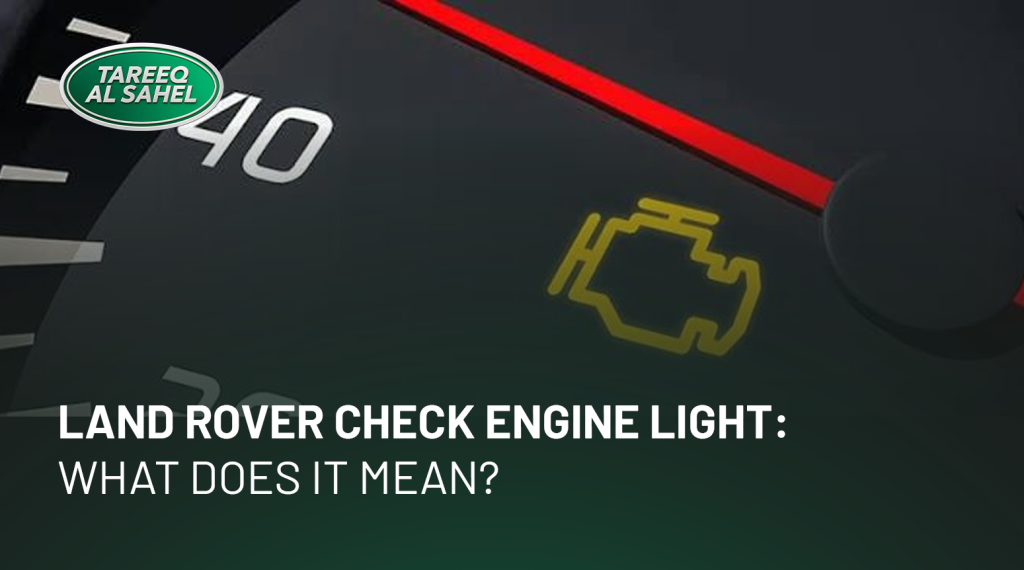
The check-engine warning normally appears as an amber engine-shaped symbol on the instrument cluster.
Depending on the model and fault, the vehicle may also display:
- Check engine
- Restricted performance
- Engine system fault
- Reduced performance
- Gearbox fault
- Emissions-related warning
- Hybrid-system warning
- Diesel exhaust filter warning
The exact message varies between Land Rover models, engine types and production years.
Is the Check Engine Light Steady or Flashing?
How the warning behaves can help indicate urgency.
Steady Check Engine Light
A steady amber light means a fault has been detected and stored. The vehicle may appear to drive normally, but it should still be diagnosed promptly.
Continuing to drive without investigation may allow a small fault to develop into a more expensive repair.
Flashing Check Engine Light
A flashing check-engine light can indicate an active and potentially damaging fault, such as a severe engine misfire.
Reduce speed and avoid heavy acceleration. If the engine is shaking, losing power, overheating or making abnormal noises, stop driving safely and arrange professional assistance.
Common Causes of a Land Rover Check Engine Light
1. Ignition Coil or Spark-Plug Fault
Petrol engines depend on correctly operating spark plugs and ignition coils. A weak coil, worn plug or damaged electrical connection can cause one or more cylinders to misfire.
Possible symptoms include:
- Rough idle
- Engine vibration
- Hesitation
- Reduced power
- Increased fuel consumption
- Flashing check-engine light
- Fuel smell from the exhaust
The affected cylinder and cause should be confirmed through fault codes, live misfire data and component testing.
2. Air-Intake or Vacuum Leak
Unmetered air entering the engine can disturb the air-to-fuel ratio.
Possible sources include:
- Split intake hoses
- Loose pipe connections
- Damaged seals
- Vacuum-line leaks
- Crankcase ventilation faults
- Intake manifold leakage
An air leak may cause rough running, lean-condition codes, hesitation or an unstable idle.
3. Mass Airflow or Pressure Sensor Fault
Land Rover engines use airflow and pressure sensors to calculate how much fuel is required. Contamination, wiring faults or incorrect sensor readings can affect engine performance.
Replacing a sensor based only on a fault-code description is not always appropriate. The wiring, air intake and live sensor readings should also be checked.
4. Oxygen or Lambda Sensor Fault
Oxygen sensors monitor exhaust gases and help the engine control module adjust fueling.
A sensor-related code may be caused by:
- A failed sensor
- Damaged wiring
- An exhaust leak
- Incorrect fuel mixture
- An upstream engine problem
The root cause should be diagnosed before replacing the sensor.
5. Fuel-System Problem
Incorrect fuel pressure or delivery can trigger warning lights and drivability problems.
Possible causes include:
- Weak fuel pump
- Fuel-pressure sensor fault
- Injector problem
- Wiring or connector damage
- Contaminated fuel
- High-pressure fuel-system fault
Symptoms may include difficult starting, hesitation, misfires, reduced power or engine stalling.
6. Cooling-System or Temperature Fault
A coolant leak, thermostat problem, air trapped in the cooling system or incorrect temperature reading may illuminate the check-engine light.
Watch for:
- Rising temperature
- Low coolant
- Cooling fans running excessively
- Poor heater performance
- Coolant smell
- Reduced engine performance
Do not continue driving an overheating vehicle. Serious engine damage can occur if overheating is ignored.
7. Exhaust or Emissions-System Fault
The engine computer monitors the vehicle’s emissions-control components.
Depending on the engine, faults may involve:
- Catalytic converter
- Oxygen sensors
- Exhaust leaks
- Evaporative-emissions system
- Exhaust gas recirculation
- Diesel particulate filter
- Diesel exhaust fluid system
- NOx sensors
The correct diagnostic process depends on whether the vehicle uses a petrol, diesel, mild-hybrid or plug-in hybrid powertrain.
8. Crankshaft or Camshaft Sensor Problem
Crankshaft and camshaft sensors provide essential engine timing information.
An intermittent or failed signal may cause:
- Difficult starting
- Engine stalling
- Misfires
- Restricted performance
- Extended cranking
- Check-engine warning
The sensor, wiring and mechanical timing relationship may all need to be inspected.
9. Timing-System Problem
A timing-chain, actuator or variable valve-timing fault can cause correlation codes, rattling noises and poor engine performance.
Possible warning signs include:
- Rattle during startup
- Rough running
- Loss of power
- Difficult starting
- Persistent timing-related codes
A timing fault should be investigated promptly because continued operation may cause additional engine damage.
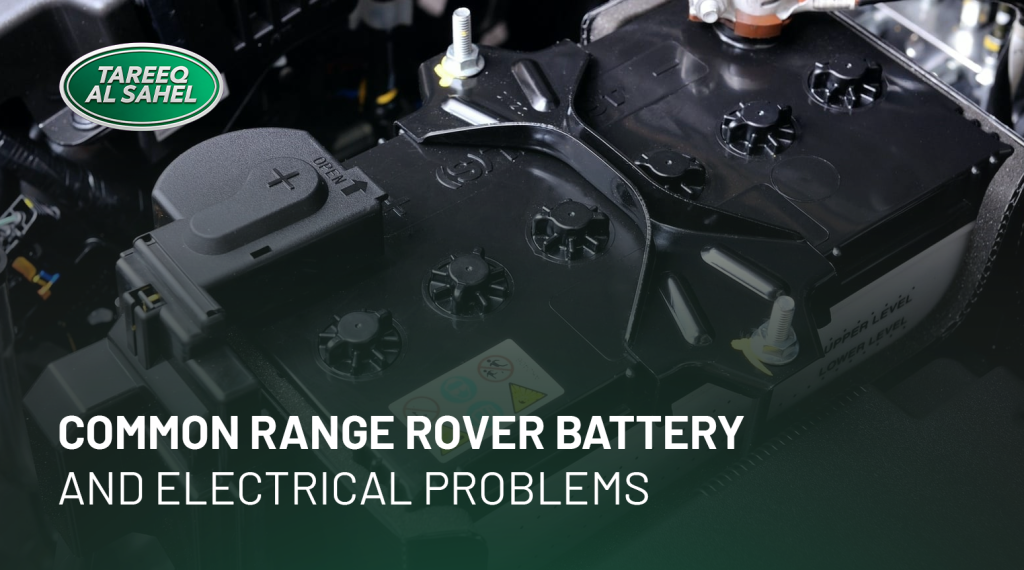
10. Battery or Charging-System Voltage
Low or unstable voltage can affect control modules, sensors and vehicle communication.
When multiple unrelated warnings appear together—especially during startup—the battery, charging system, power connections and grounds should be tested.
11. Wiring or Connector Fault
Heat, vibration, moisture or previous repairs can damage wiring and electrical connectors.
A circuit fault may produce the same diagnostic code as a failed sensor. Technicians should test the circuit before replacing the component identified in the code description.
12. Software or Control-Module Fault
Some model-specific check-engine warnings may be caused by control-module software or calibration.
The vehicle’s identification number, software level, diagnostic codes and applicable technical information should be reviewed before mechanical parts are replaced.
Can I Drive With the Check Engine Light On?
The safest decision depends on the warning, symptoms and vehicle condition.
Stop driving and seek professional assistance if:
- The warning is flashing
- The engine is shaking severely
- The vehicle is overheating
- Oil pressure is low
- A red warning is displayed
- The engine is making loud mechanical noises
- Smoke is visible
- Power loss makes driving unsafe
- The vehicle is stalling
- There is a strong fuel or burning smell
If the light is steady and the vehicle appears to operate normally, avoid hard acceleration and arrange diagnosis as soon as reasonably possible.
Why Reading the Fault Code Is Only the First Step
A diagnostic trouble code identifies the system or operating condition in which a problem was detected. It does not always prove that the named component has failed.
For example, a sensor-related code could be caused by:
- A failed sensor
- Damaged wiring
- Poor electrical connection
- An air or exhaust leak
- Low voltage
- Incorrect mechanical operation
- Outdated software
Simply replacing the part mentioned in a code description can waste money and leave the original problem unresolved.
How We Diagnose a Land Rover Check Engine Light
At Tareeq Al Sahel, diagnosis may include:
- Recording the dashboard warning and customer symptoms.
- Scanning all relevant control modules.
- Reading stored, pending and historical codes.
- Reviewing freeze-frame information.
- Checking live engine and sensor data.
- Testing the battery and charging system.
- Inspecting wiring, connectors, hoses and fluid levels.
- Testing ignition, intake, fuel or emissions systems as required.
- Checking applicable software and technical information.
- Completing mechanical tests when diagnostic evidence requires them.
- Clearing codes only after recording the original information.
- Road-testing and rescanning the vehicle after repair.
This process helps determine why the warning appeared rather than relying on guesswork.
Land Rover Diagnostics in Sharjah
Tareeq Al Sahel provides specialist diagnostics and repairs for:
- Range Rover
- Range Rover Sport
- Range Rover Evoque
- Range Rover Velar
- Land Rover Defender
- Land Rover Discovery
- Discovery Sport
- Applicable petrol, diesel and hybrid models
- Jaguar vehicles
If your check-engine light is on, arrange professional diagnosis before replacing sensors or other components.
Frequently Asked Questions
Why is my Land Rover check engine light on but the vehicle drives normally?
Some faults do not immediately affect drivability. The control module may have detected an intermittent sensor, emissions, software or electrical problem. The stored code should still be investigated.
Can a weak battery cause the check-engine light?
Low voltage can affect modules, sensors and vehicle communication. Battery and charging-system tests are important when several warnings appear at the same time.
Will the check-engine light reset itself?
The light may switch off after several journeys if the fault does not return. However, diagnostic information may remain stored, and an intermittent problem may return later.
Can I disconnect the battery to clear the warning?
Disconnecting the battery is not a repair. It may erase useful diagnostic information, reset learned values and create additional vehicle issues.
Does a fault code identify the exact broken part?
Not always. A code identifies a detected condition or circuit. Testing is required to determine whether the cause is the component, wiring, voltage, software or another mechanical problem.
How much does Land Rover check-engine diagnosis cost?
The cost depends on the diagnostic time and complexity of the fault. A straightforward sensor or connection issue differs from an intermittent wiring or internal engine problem.
Do you diagnose Land Rover warning lights in Sharjah?
Yes. Tareeq Al Sahel provides specialist Land Rover, Range Rover and Jaguar computer diagnostics in Sharjah.
Book a Diagnostic Inspection
Contact Tareeq Al Sahel if your Land Rover has a check-engine light, restricted-performance warning, rough idle, misfire or unexplained loss of power.
Telephone: +971 50 777 2806
Email: sahelauto@yahoo.com
Location: Industrial Area 12, next to Geco Complex, Sharjah, UAE